FAMILY & FRIENDS CONNECTION, INC.
954-319-7066
  • HOME
  • PRESIDENT'S MESSAGE
    • The Donneth Show Mother's Day Drive Thru Dinner
  • A DAILY POINT OF LIGHT
  • FFC 2020 THANKSGIVING OUTREACH
  • CHRISTMAS FOOD DISTRIBUTION & 2020 YEAR IN REVIEW
  • CHRISTMAS 2021 FOOD DISTRIBUTION
  • ABOUT US
    • FFC DAY DESIGNATION
  • DONATE
    • WHY WE GIVE
    • WAYS TO DONATE TO FFC
  • CONTACT US
    • FFC OFFICERS
  • EVENTS CALENDAR
  • SERVICES
  • MEDIA CENTER
  • YOUTH CORNER
  • 2024 SCHOLARSHIP AWARDS
  • 2023 SCHOLARSHIP AWARDS
  • FFC 2021 SCHOLARSHIP AWARDS
  • 2019 SCHOLARSHIP AWARDS
  • 2018 SCHOLARSHIPS AWARDS
  • 2016 SCHOLARSHIP AWARDS
    • 2015 SCHOLARSHIP AWARDS
    • 2014 SCHOLARSHIP AWARDS
    • 2013 SCHOLARSHIP AWARDS
    • FFC 2012 SCHOLARSHIP AWARDS REPORT
  • COMMUNITY PARTNERS
  • COMMUNITY BULLETINS
  • HEALTH CORNER
  • FFC NEWSLETTER ARCHIVE
  • THANK YOU
  • TESTIMONIALS
  • BROWARD VOLUNTEER RECOGNITION
  • COMMUNITY VOLUNTEER APPRECIATION 2012
    • VOLUNTEER WEEK APPRECIATION
    • VOLUNTEER APPRECIATION NIGHT 2011
  • COMMUNITY WORSHIP SERVICE
  • INSPIRATION CORNER
  • LIFE EMPOWERMENT CONFERENCE 2012
    • FFC LIFE CONFERENCE 2011
    • LIFE EMPOWERMENT CONFERENCE THANKS
  • BACK TO SCHOOL OUTREACH & GIVING
  • COMMUNITY OUTREACH HOME IMPROVEMENT WORK DAY
  • DOMESTIC VIOLENCE AWARENESS
  • HOW DV AFFECTS IMMIGRANTS
  • LIFE LINE OUTREACH
  • WORKFORCE EMPOWERMENT
  • LEADERSHIP TRAINING
  • RELATIONSHIP RESCUE
  • THE HERO IN YOU
  • MENTORS NEEDED
  • SPONSORS
  • JOIN US
  • YOUR POWER PILL
  • FFC BLOG
  • RADIO OUTREACH
  • RADIO ARCHIVE
  • RADIO PARTNERS
  • TUTORING APPLICATION & WAIVER
  • TUTORIAL REGISTRATION FORM
  • TALENTS CORNER
  • HUMOR CENTER
  • MILITARY TRIBUTE
  • 2021 VOLUNTEER APPRECIATION
  • WHY BECOME AN FFC VOLUNTEER
  • VOLUNTEER RECOGNITION
  • VOLUNTEER OF THE MONTH
  • VOLUNTEERS ARE SPECIAL
  • VOLUNTEERS GALLERY
  • ADVERTISE HERE
  • BIRTHDAYS & ANNIVERSARIES
  • FREE ECARDS
  • GUEST PAGE
  • DISCLAIMER
  • TERMS OF USE
  • PRIVACY POLICY

Invest in your Health
2/26/2011

2 Comments

 
Invest in your Health
Please give this some serious thought!

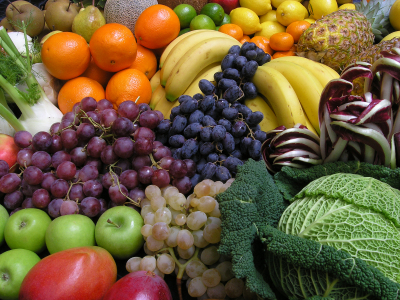
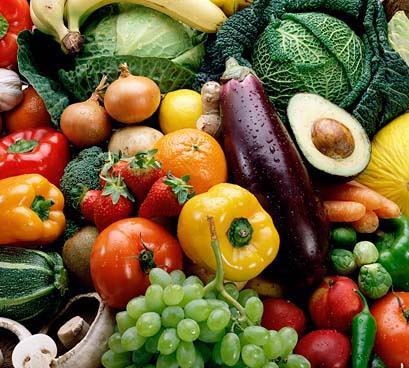
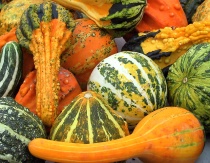
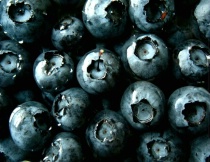
It's been said that God first separated the salt water from the fresh, made dry land, planted a garden, made animals and fish... All before making a human. He made and provided what we'd need before we were born. These are best & more powerful when eaten raw. We're such slow learners...

God left us a great clue as to what foods help what part of our body!
God's Pharmacy! Amazing!

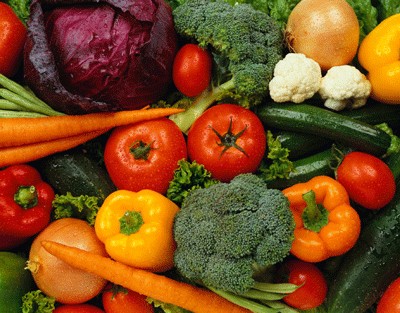
A sliced Carrot looks like the human eye. The pupil, iris and radiating lines look just like the human eye... And YES, science now shows carrots greatly enhance blood flow to and function of the eyes.

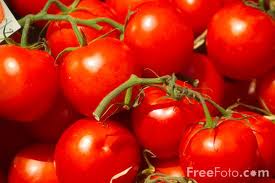
A Tomato has four chambers and is red. The heart has four chambers and is red. All of the res earch shows tomatoes are loaded with lycopine and are indeed pure heart and blood food.

Grapes hang in a cluster that has the shape of the heart. Each grape looks like a blood cell and all of the research today shows grapes are also profound heart and blood vitalizing food.

A Walnut looks like a little brain, a left and right hemisphere, upper cerebrums and lower cerebellums. Even the wrinkles or folds on the nut are just like the neo-cortex. We now know walnuts help develop more than three (3) dozen neuron-transmitters for brain function.

Kidney Beans actually heal and help maintain kidney function and yes, they look exactly like the human kidneys.

Celery, Bok Choy, Rhubarb and many more look just like bones. These foods specifically target bone strength. Bones are 23% sodium and these foods are 23% sodium. If you don't have enough sodium in your diet, the body pulls it from the bones, thus making them weak. These foods replenish the skeletal needs of the body.
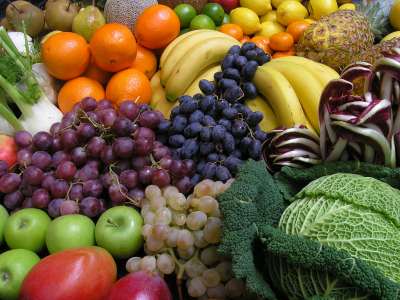
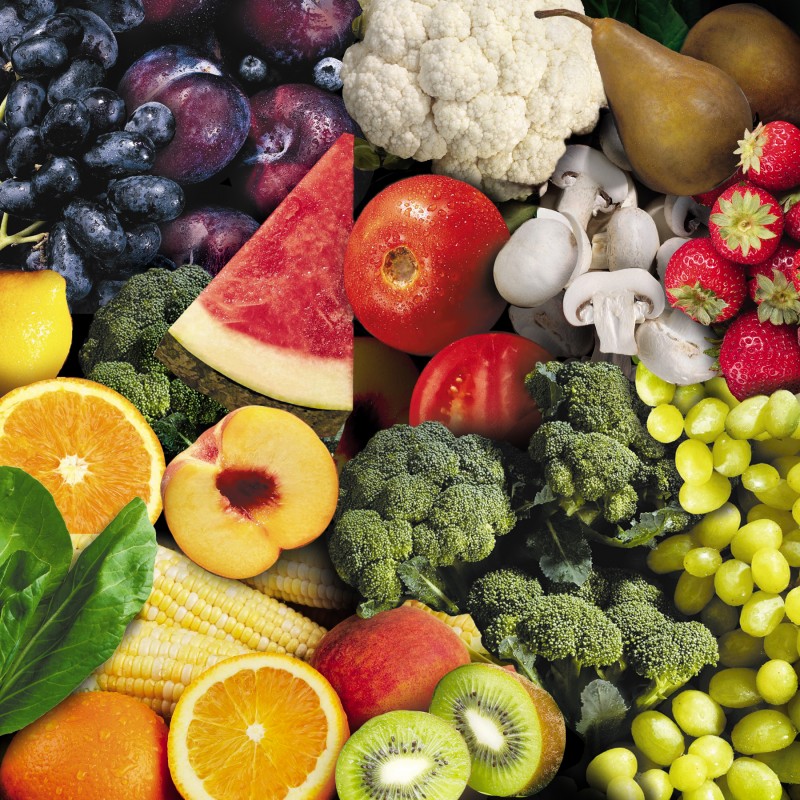
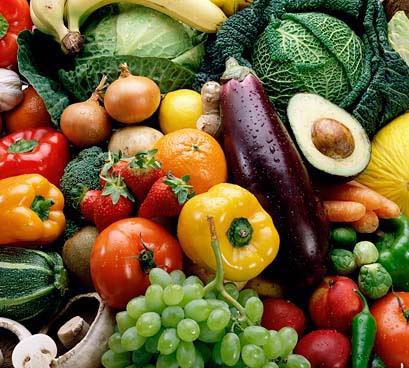
Avocadoes, Eggplant and Pears target the health and function of the womb and cervix of the female - they look just like these organs. Today's research shows that when a woman eats one avocado a week, it balances hormones, sheds unwanted birth weight, and prevents c ervical cancers. And how profound is this? It takes exactly nine (9) months to grow an avocado from blossom to ripened fruit. There are over 14,000 photolytic chemical constituents of nutrition in each one of these foods (modern science has only studied and named about 141 of them).

Figs are full of seeds and hang in twos when they grow. Figs increase the mobility of male sperm and increase the numbers of Sperm as well to overcome male sterility. 

Sweet Potatoes look like the pancreas and actually balance the glycemic index of diabetics.

Olives assist the health and function of the ovaries 
  
Oranges, Grapefruits, and other Citrus fruits look just like the mammary glands of the female and actually assist the health of the breasts and the movement of lymph in and out of the breasts.

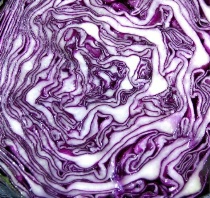
Onions look like the body's cells. Today's research shows onions help clear waste materials from all of the body cells. They even produce tears which wash the epithelial layers of the eyes. A working companion, Garlic, also helps eliminate waste materials and dangerous free radicals from the body.
2 Comments

Understanding Heart Disease

2/13/2011

1 Comment

 
Here is some information to help you understand 
more about heart disease.
1 Comment

Did you Know? Heart Disease: The Number One Killer in Women

2/10/2011

1 Comment

 
Did you Know? Heart Disease: The Number One Killer in Women

In the United States one woman dies every minute from a cardiovascular event. Yet coronary heart disease is still considered by many as a "man's disease." Read about the symptoms and risk factors and learn how you can prevent heart disease.

Heart Attack Symptoms in Women

Heart attack symptoms are different for men and women. 
Warning signs women need to watch out for. 

Pass this along to someone you love.  

Heart attack warning signs for women. Very few pre-menopausal women have heart attacks, unless they smoke, have diabetes, or are on birth control pills for a long period of time. Smoking seems to be the biggest risk factor:

Nausea and vomiting that won’t stop


Breathlessness (but not sighing) with exertion or especially if it     wakes you up at night


Chest discomfort that starts behind the breast bone and radiates to either shoulder or arm, neck, or to the lower (but not upper) jaw

Discomfort in the lower jaw especially if it occurs only with exertion or will not go away


Discomfort in the upper back especially if it occurs only with exertion or will not go away

Discomfort in the chest or back that occurs when doing usual chores after a large meal

Sudden onset of weakness that won’t go away

Sudden racing heart sensation with a very fast pulse

Sudden loss of consciousness

Physical inability to perform usual household chores

Who is most at risk with these symptoms? The more of these factors that apply to you, the greater your risk:

•         Menstruation has stopped

•         Smoking

•         Family history of arteriosclerotic heart disease before age 60

•         High blood pressure (even treated)

•         Diabetes (even mild, even treated)

•         Obesity

•         High cholesterol (even treated)


1 Comment

Cardiovascular Media Library

2/10/2011

0 Comments

 
American Heart Month: February Means Heart Disease Awareness!

Heart disease is the leading cause of death in the United States. The month of February is dedicated to raising awareness about heart disease and increasing knowledge about prevention. Educate yourself on the dangers of heart disease and get on track to better heart health here!
Picture
Get Information That Can Save Your Life
0 Comments

Heart Disease

2/7/2011

2 Comments

 
Coronary Heart Disease (CHD) is a narrowing of the small blood vessels 
that supply blood and oxygen to the heart. CHD is also called 
Coronary Artery Disease.


2 Comments

Heart Attack Risk Assessment

2/5/2011

0 Comments

 
Find Out What Your Heart Attack Risk  is With 
This Free Risk Calculator
Picture


Visit The Cardiovascular Media Library


Heart Disease Slide Show

Never Ignore These Signs
0 Comments

Communicating With The Elderly

2/3/2011

0 Comments

 
Communicating With The Elderly 

Interpreting the Unsaid...


Having worked in geriatrics for more than a decade, i can tell you that  it is one of the most fascinating fields of nursing. Due to all the normal changes that takes place physically in the human body, coupled with disease processes and psycho social changes, it is of utmost importantance that you get to know your elderly patient very well. You should spend time listening to their stories even if it makes no sense to you. This helps to develop a relationship. This means spending time to chat and reassure patient of your love and care for them and maintaining a positive, warm and confidential attitude at all times.  TLC is the name of the game.

It takes a longer time to understand the elderly patient as you have to work through all the mood swings, demanding phases and even episodes of withdrawal. Outburst at staff and aggressive behavior is usually not what it sounds like or appears to be rather it is a cry for your love and attention and most often just a call for someone to come and sit and listen, really listen from your heart to what they are feeling and reliving at that said moment

Elderly persons especially in a nursing home setting can become very jealous and vie for your attention if for one second they think or believe that you are giving more attention or time to another patient. So the next time your elderly patient has an outburst of negative behavior,  Unwrap your TLC package:
  • Assess the situation
  • Give soft loving words of reassurance
  • Do not be judgmental it makes the outburst worse
  • Reassure them of your love; after all you are the one they relate to on a daily basis
  • It is not a personal attack on you but a cry for your attention
  • Body gait and facial expression can carry a different message if you appear cold and distant
  • Try to carry a reassuring smile; hold hand if possible and remain silent for as long as possible and let them know you are indeed listening to their call
  • Listen to the unsaid words that says, "tell me you love me and I am important to you"
  • Do not take sides or pass judgment or be critical in any way; what they really need is reassurance of your love
  • Never tell them that they are rude or naughty in any way rather assure them that all will be well and things will work out
You may try to shift attention to something of a happier nature or an offer of something that you know will settle them and put them in a better frame of mind. You may ask can we go for a walk outside and talk about this or you may ask is there anything you would like me to do for you and follow through as best as you can in the interest of the patient. They like to know that they are the one making the decision and this helps to maintain their independence and individuality. make them feel like THEY are in charge, even though you know that YOU are in charge.

Listen with your heart and hear that cry for your love and attention and in a tender loving way give as much as you can and be consistent. It does not matter what mood your elderly patient is in as a health professional and the caregiver,  you have to remain professional at all times, and wear that smile, say those loving words and show love no matter what.

It works, and to foster this type of relationship with your elderly patient will help their golden years to be the happiest and most fulfilling they ever had and that is the goal of geriatric nursing.  They and their family will appreciate that.
0 Comments

    Health Corner

    We hope the posts here help you in your quest for better health. Your comments are welcome.


    Picture

    Archives

    August 2017
    October 2013
    July 2013
    July 2012
    January 2012
    November 2011
    October 2011
    September 2011
    August 2011
    July 2011
    June 2011
    May 2011
    April 2011
    March 2011
    February 2011
    January 2011
    December 2010

    Categories

    All
    2011
    American Heart Month
    Assess Your Sleep Habits
    A Step By Step Guide To Understanding Breast Cancer
    Atlantic Hurricane Season
    Brain Attack: A Stroke Survival Guide
    Brain Damaging Habits
    Brain Injury Awareness Month
    Breast Cancer Awareness
    Car Air-Conditioning - Very Important!
    Cardiovascular Media Library
    Cleaning For A Reason
    Clorox Vs. Peroxide
    Communicating With The Elderly
    Did You Know? Heart Disease: The Number One Killer In Women
    Early Detection Plan
    Easy Ways To Live Greener- 1
    Easy Ways To Live Greener-2
    Environmental Safety
    Fire Safety At Home
    Food Is Your Medicine
    Free Prescription Medicine Is Available
    Health & Wellness Integrity
    Heart Attack Risk Assessment
    Heart Attack Symptoms In Women
    Heart Disease-coronary Disease
    Help Fight High Blood Pressure In Jamaica
    Home Safety Checklist
    Household Tips
    How To Do A Breast Self Exam
    How To Survive A Heart Attack When Alone
    Hurricane Preparedness
    Invest In Your Health
    January Is National Cervical Cancer Awareness Month
    June Is Home Safety Month
    Keeping Your Family Safer With Fire Extinguishers
    Living With Brain Injury
    Make Sure You Are Taking Your Medicine
    Make Your Family Safer
    May Is Stroke Awareness Month
    Measring Blood Pressure
    Never
    November 17th Is The Great American Smokeout
    Paint Your Walls
    Presidential Proclamation -- National Family Caregivers Month
    Protect Your Family
    Ptsd Awareness Day
    Put Your Banana In The Refrigerator!!!
    Put Yourself On The List
    Recognizing A Stroke
    Safer Sex In An Aging Female Population
    Step-by-step
    Stopping A Fire Before It Starts: 5 Things You Can Do Today
    Stroke
    Stroke Identification
    Stroke: Remember The 1st Three Letters... S.T.R.
    Symptoms Of Stroke
    The Main Causes Of Liver Damage Are:
    The Top Five Cancer-Causing Foods Are:
    Through Natural Health Innovations
    Tips On How To Safely Paint Indoors
    Transient Ischemic Attacks (TIA’s)
    Understanding High Blood Pressure Readings
    Water Conservation
    Watersense Labeled Products
    We Have To Take Care Of Ourselves If We Are Going To Take Care Of Anyone Else Properly.
    What Are Risks And Signs Of Stroke?
    What Are The Symptoms Of Stroke?
    What Is Breast Cancer?
    Why Is Saving Water Important?
    Why Water Conservation

    RSS Feed

    BMI For Adults Widget


    BMI For Adults. Flash Player 9 is required.
    BMI For Adults.
    Flash Player 9 is required.
          

    Know Your Score


    Know Your Score Widget. Flash Player 9 is required.
    Know Your Score Widget.
    Flash Player 9 is required.

    CDC Vital Signs


    CDC Vital Signs. Flash Player 9 or above is required.
    CDC Vital Signs.
    Flash Player 9 or above is required.

    Salt Intake Widget


    Salt Intake Widget. Flash Player 9 is required.
    Salt Intake Widget.
    Flash Player 9 is required.

SUPPORT OUR SCHOLARSHIP CROWD FUNDING PAGE
Family & Friends Connection, Inc. is a not for profit organization, registered in the state of Florida
Address: 6237 SW 21st Street, Miramar, Florida 33023::Tel: 954-319-7066: E-mail::famfc2@gmail. com
Listen To The Donneth Show Live on WAVS 1170AM, www.wavs1170.com For Community Solutions, 
Wednesdays, 8PM-9PM EST. Or Online at www.wavs1170.com

'We Connect Families In Need, To Friends With Resources.'
​Work, Play and Live as One

© Family & Friends Connection, Inc. December 2010-2021 

Website Designed & Managed by DebsWebDesign